Confidence Comes After: How Agency Builds Belief
Most people treat confidence like a ticket. They wait for it to arrive, and only then do they let themselves start the business, take the class, or say yes to the thing that has been sitting on their heart for years. Meanwhile the dream stays parked, and the waiting starts to feel like the problem itself.
In this episode of Candid Coach Conversations, host Kimberly Boyd sits down with Amanda Kaufman, certified Live Life Fully coach and business mentor to Live Life Fully, to talk about the start-and-stop cycle that happens when you believe you lack the confidence to go. What they settle on is simple and a little uncomfortable: confidence is something you get from starting, not something you need before you begin.
The woman who wanted to blend into the wallpaper
People who see Amanda today, posting regularly, speaking on stages, talking on camera, tend to say one of two things. Either she is lucky, or she is naturally confident. Amanda's answer is that she was one of the least confident people you could meet. She jokes that the earlier version of herself was "Wallflower Mandy," a woman who wanted to disappear into the wallpaper.
The fear was not only about being seen. It was about what would come after... how people would judge her, what they would think, how they would treat her. She describes living in a storm of negative thought about who she was to strangers and to friends alike, and it showed up as insecurity and imposter syndrome. Kimberly's response was immediate: it felt like Amanda was telling her own story.
Four years without a book, and a cake that changed the pattern
Amanda calls the four years after university the darkest of her life. She had earned a chemical engineering degree and told herself a destructive story: once she got the job, she would have arrived. So she stopped reading entirely. Her employer set the curriculum and the goals, and she treated her own growth like a task on someone else's checklist. Over time that turned into resentment and a quiet stall in every other part of her life.
The way out started small. She signed up for a cake-decorating class and built a stand-up bear piped in rainbow icing. Nobody graded it. It had nothing to do with her paycheck. It existed only because she decided to make it. That, she says, was the first time she grabbed something off the shelf for herself instead of following someone else's definition of what to grow in. Her conclusion: confidence starts with agency, the ability to activate your own choice and actually do something with your freedom.
Fifty pancake recipes and the real shape of excellence
When Amanda moved to Texas, the pancake recipe she had used for years stopped working. The results were flat and dense. So she tried another recipe, then another. She tested fifty, one weekend at a time, for a full year, before she landed on the one she still uses.
The story is funny, and it is also the whole argument of the episode. Excellence starts in a mess. Movies skip the training montage because they have a runtime to keep, and so we forget that the work is where the transformation happens. By the end of that year Amanda had plenty of confidence in her pancakes. But, as she puts it, "that was the output of the effort. The first thing was the decision that it mattered."
Observe your thoughts instead of simply joining them
Kimberly asked Amanda how she would talk to someone, even one of her own kids, who wanted to try something new and felt nervous. Amanda started by defining mindset in plain terms: your tendencies and thought patterns, the way you tend to interpret the world. The first skill of mindset mastery is metacognition, noticing that you had a thought at all instead of simply going along with it.
From there she offers a practical sequence. Acknowledge that nerves make sense. Swap a heavy label like "I'm scared" for something more neutral like "I'm nervous," and describe what the feeling actually is. Then ask how the person would like things to turn out. Hearing your own expectation spoken back to you is where awareness begins. Amanda also points to a pattern she sees often in coaching: as soon as adults hear their own goal, their first instinct is to lower it so they cannot be disappointed. That is perfectionism in action, and it costs them the very intensity the next level requires.
A rustling bush and a brain that expects the worst
The brain wants to be right, Amanda explains, and it builds prediction engines that lean negative because, ten thousand years ago, that kept us from being eaten. On her first walks in Fort Worth, every rustling bush registered as a rattlesnake. Usually it was a squirrel.
The same wiring shows up when you walk into a networking event. If you expect a cold room, your brain will find the evidence for it. Amanda has walked into a few genuinely awkward rooms, but out of a thousand, maybe two. The encouraging part comes from neuroplasticity: the brain can form new connections, and the more you reinforce a new choice, the firmer it becomes. Journaling, meditation, and coaching all help, because having your thoughts mirrored back makes your default programming visible. Then you get a choice about what to install instead.
Thirty women singing "I'm a Little Teapot"
Kimberly shared a memory from an event where a group of adult women played hopscotch with positive words written in each square. Nobody told them to hop. They did it anyway, and the game turned into a room full of childlike wonder and stories of joy.
Amanda added a story of her own. At an event with about thirty women, most in their 40s and 50s, she described singing "I'm a Little Teapot" for her mother's new camcorder at six years old. The whole room started singing with her, without being asked. Her takeaway is that confidence may not be something we learn at all. What we learn is the shrinking... to stay quiet, to avoid upsetting people, to cope with our environment. As adults who want to do bigger things, the work is to unlearn it.
Confidence is a prediction you can change
Near the end, Amanda brings in the scientific meaning of the word. In statistics, a 95% confidence level means you can expect the same result if you run the experiment again. Applied to life, confidence is the ability to predict cause and effect: if I do this, then this will happen.
Which reframes "I don't have confidence." You may have plenty of it. It is simply rooted in a negative prediction, a confident belief that reaching out will be met with rudeness or that following up will annoy people. More confidence comes from more data, and more data comes from more attempts. Amanda goes further: you do not need confidence to build a business, get in shape, repair a relationship, or become a better parent. You need to know the thing matters to you. Then expect discomfort, a faster heartbeat, maybe a few tears, and keep going anyway.
About the Coaches
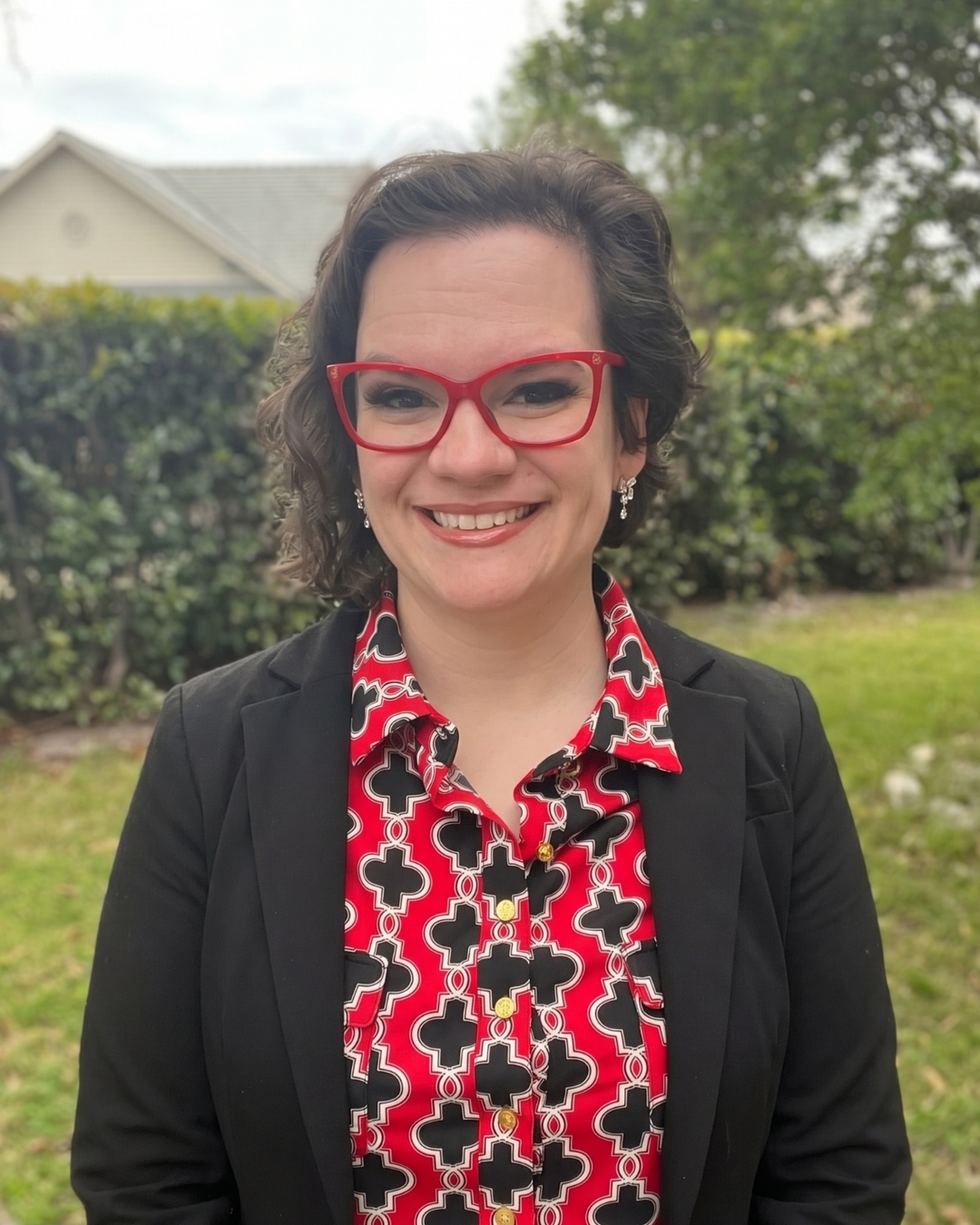
Amanda Kaufman is a certified Live Life Fully coach and business mentor to Live Life Fully. She trained as a chemical engineer, left a corporate leadership career to build her own business, and now helps people stop waiting to feel ready and start building the evidence that they can. Book a complimentary strategy session with Amanda.
Kimberly Boyd is the founder of Live Life Fully and the host of Candid Coach Conversations. A therapist and certified coach, she helps people build lives they do not need to escape from.
A certified Live Life Fully coach can help you take the next step, together. Book your complimentary strategy session at llfully.com.