Surviving Life's Storms: Resilience & Reflection
Resilience, Self-Reflection, Life Coaching
What If the Storm You Swear You’ll Never Survive Is One You’ve Already Lived Through?
You know that moment when life hits hard and you think, “There’s no way I’m getting through this”? Then a tiny voice whispers, “Haven’t we been here before?” What if the storm you’re convinced will break you is actually one you’ve already walked through… more than once? And what if this time, you get to walk through it differently?
You’ve Weathered More Than You Remember
Recognizing your own resilience changes how you face the next storm
Recognizing the Resilience You Forget You Have
Resilience isn’t about never falling apart; it’s about the quiet, stubborn way you keep showing up. Think about it: you’ve faced heartbreak, job changes, health scares, money stress, conflict, or loss. At the time, each one probably felt like the storm that would swallow you whole. And yet, here you are, reading this. That alone is proof that your track record for surviving hard days is 100%.
When a fresh wave of chaos hits, your brain tends to scream, “This is different. This is worse.” But often, the core challenge is familiar: feeling unlovable, unsafe, not enough, or out of control. The details change; the emotional weather pattern repeats. Seeing those patterns is the first step in strengthening your resilience on purpose, instead of just stumbling through on adrenaline and hope.
Self-Reflection: Looking Back So You Can Move Forward
Self-reflection isn’t about obsessing over the past; it’s about gently asking, “What have I already learned that could help me now?” Instead of only replaying what went wrong, try exploring what went right enough for you to make it through. Ask yourself:
When have I felt this way before, and what helped me then?
Who showed up for me, even in small ways?
What strengths did I use without even realizing it?
This kind of self-reflection turns your history into a toolkit instead of a highlight reel of failures. You stop being just the person in the storm and start becoming the person who has navigated many storms and picked up some wisdom along the way.
💡 Gentle Reminder: You don’t have to “figure it all out.” Just noticing one pattern is already powerful progress.
Gratitude Practice: Not Toxic Positivity, Just Tiny Anchors
When everything feels like it’s falling apart, being told to “just be grateful” can feel infuriating. But a grounded gratitude practice isn’t about pretending everything is fine. It’s about finding tiny anchors that keep you from being swept completely away—like the friend who texts back, the warm shower, the dog who curls up next to you, or the fact that you’ve survived hard things before.
Try listing three specific things each day that helped you get through, no matter how small. Over time, this trains your mind to notice support, options, and strength—even in the middle of the storm. Gratitude doesn’t erase pain, but it reminds you that pain isn’t the only thing that’s real.
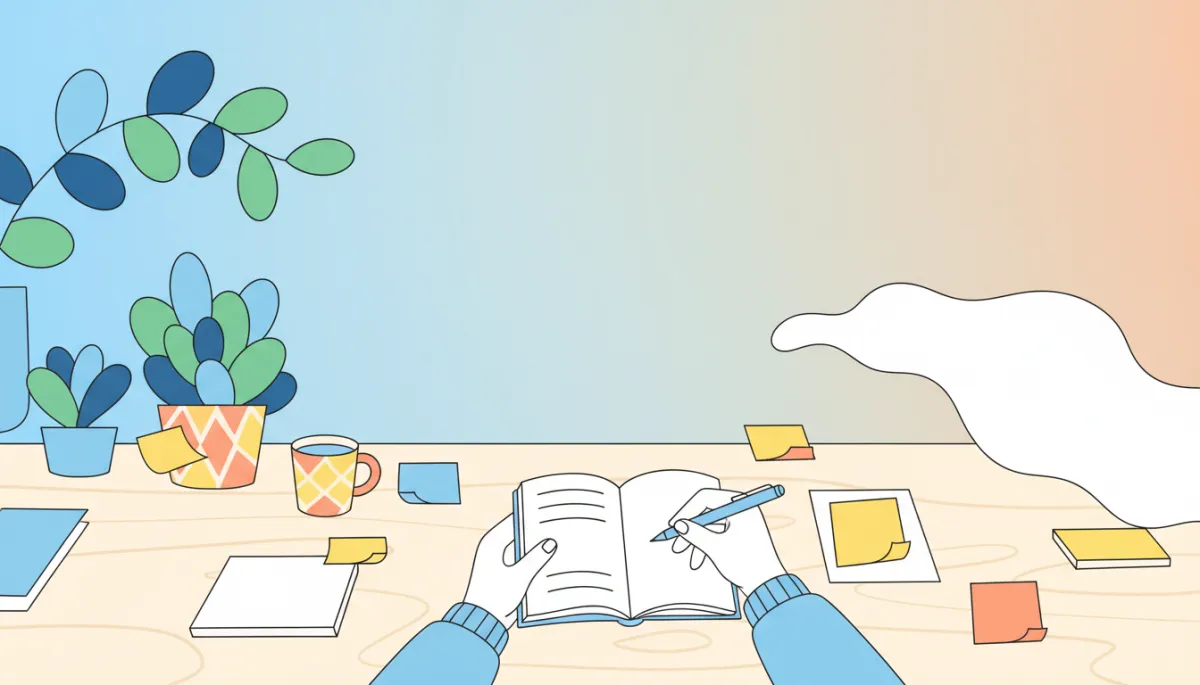
Small daily reflections and gratitude notes quietly build long-term resilience.
Life Coaching and Support: You Don’t Have to DIY Healing
Sometimes, the reason a storm feels unbearable is because you’re trying to navigate it alone. This is where life coaching, therapy, or other forms of support can make a huge difference. A good coach doesn’t “fix” you; they walk beside you, help you spot patterns, and hold you gently accountable to the version of yourself you’re becoming.
Life coaching can help you turn vague ideas like “I want to be stronger” or “I’m tired of repeating this” into concrete steps. Maybe that looks like setting boundaries, changing careers, healing from a breakup, or finally prioritizing your own needs. Having someone in your corner who believes in your resilience—even when you don’t—can be the difference between barely surviving and truly growing.
Overcoming Obstacles by Facing Them Honestly
Overcoming obstacles doesn’t always look heroic. Sometimes it looks like making one phone call you’ve been avoiding, sending one honest email, or admitting, “I need help.” The bravest move is often the simplest one: telling the truth about how you’re really doing, at least to yourself.
When you treat obstacles as personal failures, they feel impossible. When you see them as part of being human, they become problems you can work with. You don’t have to leap over every barrier in a single bound. You’re allowed to take the long way around, rest, and try again. Progress is still progress, even if it’s messy and slow.
Candid Conversations: The Storm Shrinks When You Name It
One of the most powerful tools you have is a real, candid conversation—with yourself, a friend, a partner, or a coach. Saying, “I’m scared,” “I feel stuck,” or “I’ve been here before and I don’t want to repeat it,” can be incredibly freeing. The storm often feels biggest when it’s trapped in your head, echoing around with no one to challenge it.
Honest conversations create space for reassurance, perspective, and new ideas. They remind you that you’re not the only person who has ever felt this way—and that alone can lighten the load. You deserve spaces where you can be fully seen, not just “fine.”
You’ve Done This Before—And You’re Different Now
So what if the storm you swear you’ll never survive is one you’ve already lived through, more than once? Then this time, you’re not starting from zero. You’re arriving with experience, hidden resilience, and the chance to respond in a new way—through self-reflection, a gentle gratitude practice, support like life coaching, and candid conversations that keep you grounded in truth.
You don’t have to love the storm. You don’t have to pretend it’s easy. But you can remind yourself: “I’ve walked through hard things before. I’m allowed to lean on others. I’m learning as I go. And I am more capable than my fear wants me to believe.” That’s resilience in real time—one small, brave step at a time.